


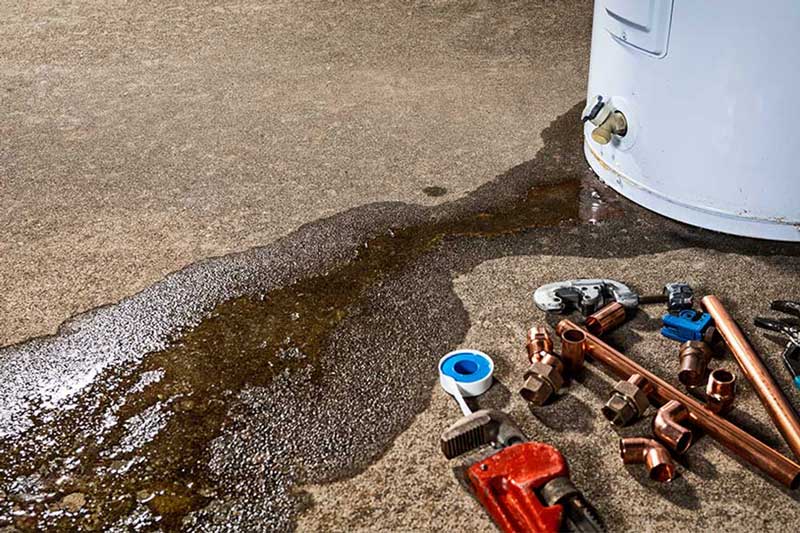
If you’re facing a broken water heater in Enid, OK, start by checking the power supply and settings. Listen for unusual noises and inspect for any leaks. You can check the thermostat to verify it’s functioning and look at the heating elements for visible signs of wear. Flushing the tank can help with sediment buildup, too. If problems persist or you notice significant issues, it might be time to call a professional for water heater repair. It’s worth exploring your options.
Check the Power Supply and Settings
Before diving into repairs, we should first check the power supply and settings of our water heater. It’s vital to ensure everything is functioning properly before we move on to more complex fixes. Let’s start by examining the power supply. If we have an electric water heater, we need to confirm it’s plugged in and that the circuit breaker hasn’t tripped. For gas units, checking the gas supply is essential. Next, we should verify the thermostat settings. If it’s set too low, we mightn’t get hot water at all. Adjusting it to a comfortable level can often solve our issues. Finally, let’s look for any error codes or blinking lights on digital displays, as they can indicate what might be wrong. Additionally, understanding energy-efficiency improvements can help us decide whether a replacement is needed if the unit struggles to provide adequate hot water.
Recognize the Warning Signs of Water Heater Trouble
How can we tell if our water heater is in trouble? First, let’s keep an eye out for any unusual noises, like popping or rumbling. These can indicate sediment buildup, which could lead to bigger issues. Next, we should watch for leaks around the tank; even a small puddle can signal a serious problem. If we notice a drop in water temperature or if our hot water runs out faster than usual, it might be time to take action.
Additionally, discolored or rusty water can mean corrosion inside the tank. Finally, if the pressure relief valve is leaking, it’s a definite warning sign that something’s not right. Regular maintenance extends the life of the water heater and helps prevent these issues.
Inspect Your Thermostat: Is It Working Right?
Now that we’ve recognized the warning signs of water heater trouble, let’s turn our attention to the thermostat. A properly working thermostat is essential for getting hot water when we need it. Additionally, proper sizing of tankless water heater installation and repair ensures efficient operation and can help prevent thermostat-related issues.
Check Temperature Settings
When we notice our water heater isn’t performing well, one of the first things we should check is the thermostat. It’s vital to confirm that the temperature settings are within the correct range, typically between 120°F and 140°F. If it’s set too low, we won’t get enough hot water; if it’s too high, we risk scalding and energy waste. Let’s take a moment to check the thermostat dial or digital display to see whether the settings are as expected. If it’s been accidentally adjusted, we can simply reset it, often resolving heating issues before diving deeper into repairs. Keeping the thermostat in check is a simple yet effective way to maintain our water heater’s efficiency.
Test Thermostat Functionality
If the temperature settings look correct but the water still isn’t heating properly, the thermostat itself may need to be tested. This involves working inside the unit with the power disconnected and checking continuity with a multimeter, which is best left to a licensed technician rather than attempted at home, since it requires opening an electrical or gas appliance. A professional can quickly determine whether the thermostat is functioning or needs to be replaced.
Examine Heating Elements for Signs of Failure
Now that we’ve checked the thermostat, let’s turn our attention to the heating elements. A trained technician can start with a visual inspection to spot obvious issues, then use a multimeter for a more precise test, guaranteeing the water heater is working efficiently and ready for use. Regular maintenance can help identify common problems before they escalate into more significant issues.
Visual Inspection Method
Diagnosing water heater issues often starts with a visual inspection of the heating elements for any signs of failure. Corrosion or mineral buildup on the elements can indicate problems, and discoloration or warping is a clear sign that replacement is needed. A technician will also check the wiring connected to the elements for fraying or loose connections, since damaged wires can lead to poor performance or even short circuits, and inspect the tank itself for leaks that can affect overall efficiency.
Multimeter Testing Technique
Beyond the visual check, a multimeter can assess the condition of the water heater’s heating elements by testing for continuity and resistance, key indicators of whether the elements are functioning properly. Because this involves disconnecting wires from the heating element terminals on a live electrical appliance, it’s a test best performed by a licensed technician rather than a homeowner. This straightforward test, in professional hands, can save time and money, helping to tackle any issues effectively and safely.
Check for Water Heater Leaks and Corrosion
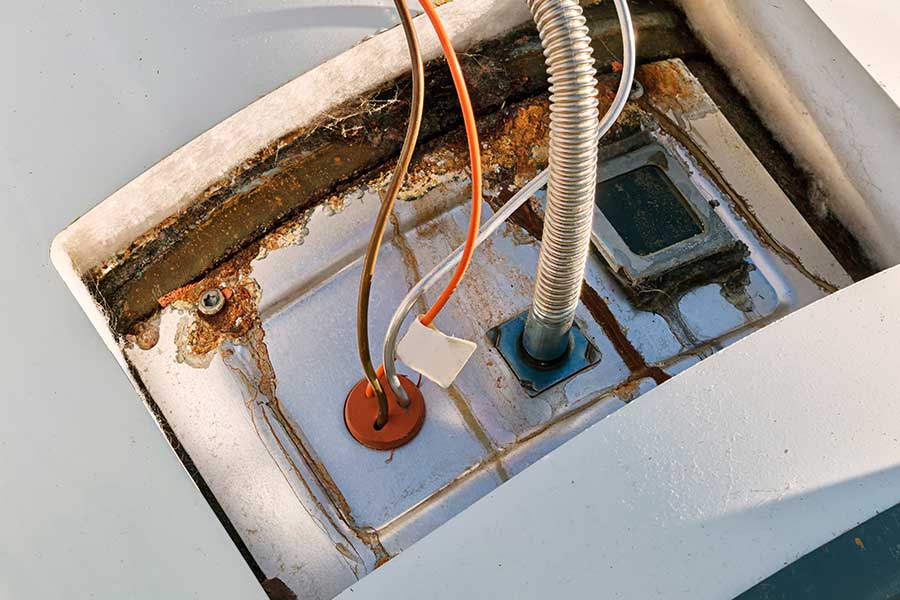
When we check our water heater for leaks and corrosion, it’s crucial to act quickly to prevent further damage. First, let’s inspect the area around the heater for any signs of water pooling or dampness. If we spot wet spots, it could indicate a leak that needs immediate attention. Next, we should examine the connections, valves, and pipes for any visible corrosion or rust. Corrosion can weaken these components, leading to more serious issues down the line. We can also look at the tank itself for any signs of pitting or discoloration. If we notice any of these problems, it might be time to call in a professional. Remember, addressing leaks and corrosion promptly not only saves us money but also guarantees our water heater operates efficiently.
Flush the Tank for Sediment Removal
Flushing the tank regularly can greatly improve a water heater’s efficiency and lifespan. Over time, sediment and minerals from the water supply can build up at the bottom of the tank, which not only reduces efficiency but can also lead to more significant issues down the road, particularly with Enid’s hard water. Flushing involves shutting off the power or gas supply, closing the cold-water inlet valve, and draining the tank through a hose connected to it. Because it involves pressurized, hot water and gas or electrical shutoffs, it’s a task best scheduled with a professional. Pairing regular flushes with water softener installation can also help reduce how quickly sediment builds up in the first place.
When to Call a Professional for Help
How can we tell if it’s time to call a professional for our broken water heater? There are clear signs that indicate we shouldn’t tackle this issue alone:
- Leaking water: any significant pooling around the heater requires immediate assistance.
- Strange noises: banging or popping sounds could signify sediment buildup or other mechanical issues.
- Inconsistent temperatures: an unpredictable hot water supply might indicate a malfunctioning thermostat or heating element.
- Age of the unit: If the water heater is over 10 years old and shows signs of wear, a professional evaluation is worth considering for water heater installation or replacement.
Keeping Your Enid Home’s Hot Water Flowing
As you troubleshoot your water heater, these tips can help you navigate the process with confidence. By following them, you can turn the tide on frustrating cold showers and restore warmth to your home. Knowing when to call a professional can save you from getting lost in the sea of repairs. When you’re ready for an inspection or repair, contact our team today and let On Time Plumbing, Heating, Cooling, and Electric get your hot water flowing smoothly again.