


We're here when you need us most.
Skilled professionals you can trust.
No surprises. Just honest, fair pricing.
We stand behind our work every time.
If you have lived in Wichita for any amount of time, there is a good chance you have dealt with the effects of hard water. The Wichita area is known for having some of the hardest water in Kansas, and over time that mineral buildup causes real problems for your plumbing, your appliances, and even your skin and hair. A water softener is one of the most practical upgrades a Wichita homeowner can make.
On Time Plumbing, Heating, Cooling, and Electric installs water softeners for homeowners throughout Wichita. We help you understand what your water situation actually looks like, recommend the right system for your home, and install it so it works the way it should from day one.
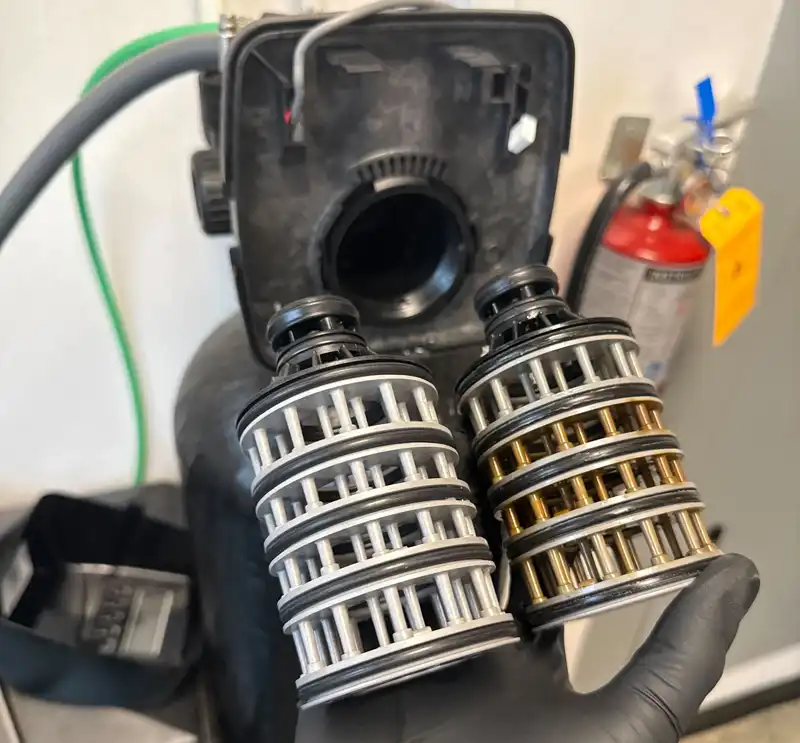
Hard water leaves clues all over your home. Most homeowners notice the signs for years before they connect them to a water quality issue. Once you know what to look for, it is hard to miss.
Common signs of hard water include:
The cosmetic annoyances of hard water are frustrating enough, but the bigger concern is what those minerals are doing inside your plumbing system and appliances where you cannot see them.
Scale buildup inside pipes narrows the diameter that water flows through over time. As that buildup accumulates, water pressure drops and the pipes become more vulnerable to clogs and corrosion. In severe cases, scale buildup can contribute to pipe failure well before the pipes would otherwise need to be replaced.
Water-using appliances take a hit as well. Water heaters, dishwashers, washing machines, and ice makers all work harder and wear out faster when they are constantly processing hard water. The heating elements in water heaters are especially vulnerable, as scale coats them and forces the unit to use more energy to heat the same amount of water. That inefficiency shows up on your energy bills every month.
Hard water also affects the effectiveness of soaps and detergents. The minerals in the water interfere with how soap lathers and rinses, which is why dishes come out spotty, laundry feels stiff, and skin feels dry even after a full shower. Using more soap to compensate adds up in cost over time and still does not fully solve the problem.
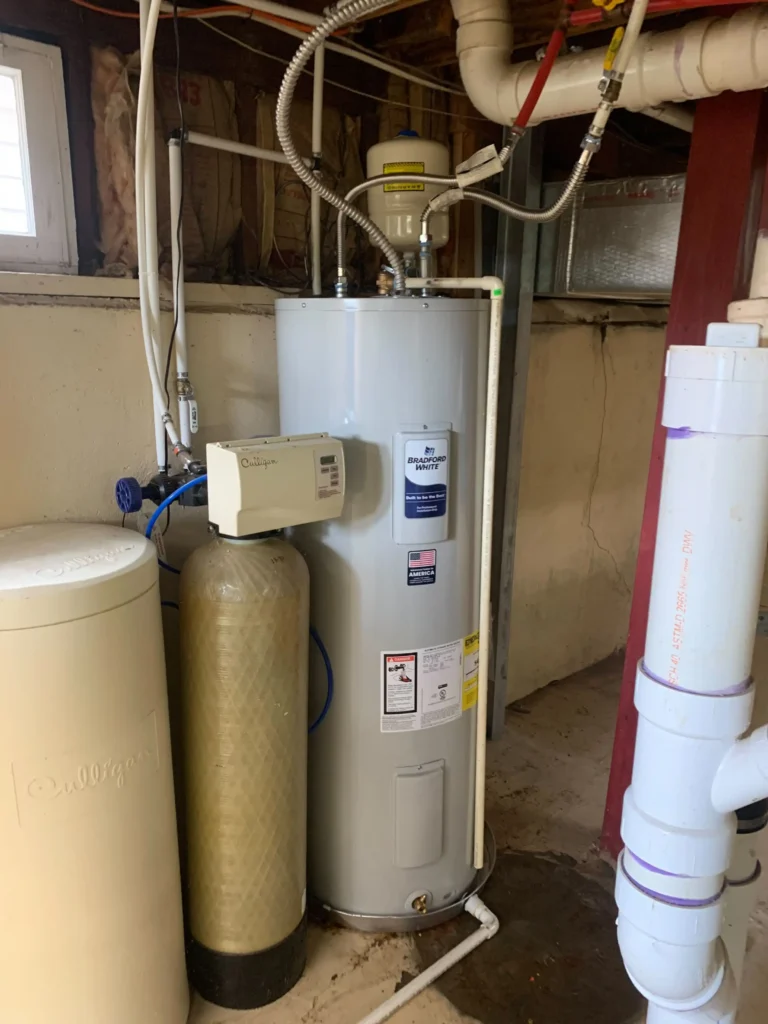
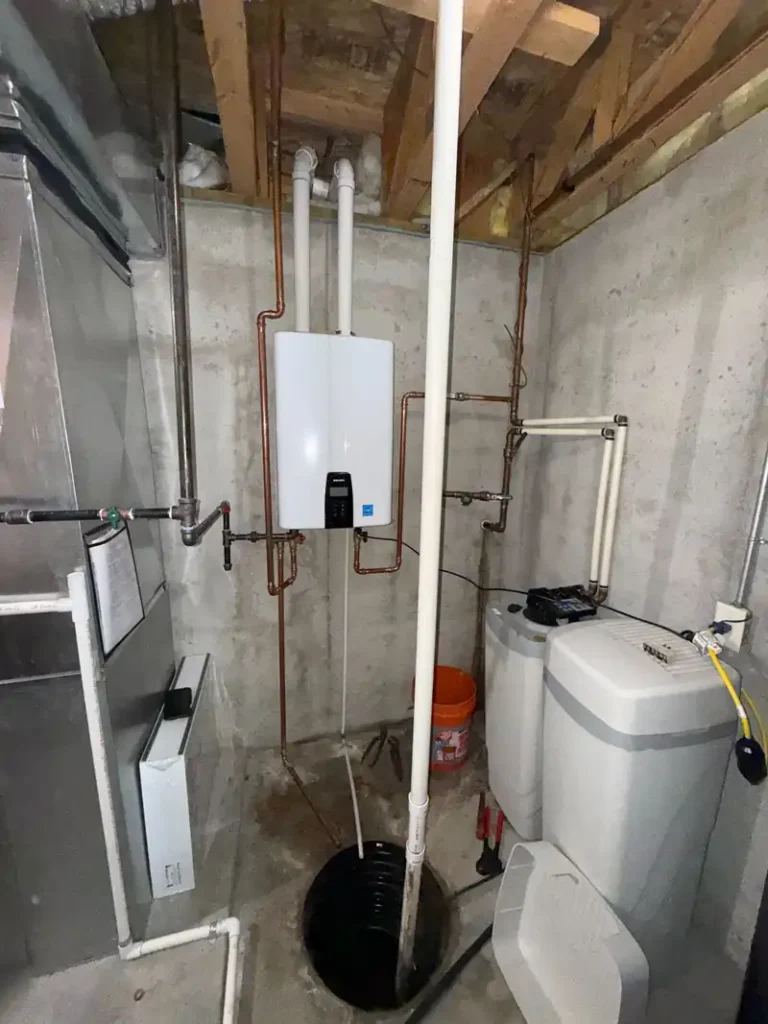
A water softener removes the calcium and magnesium ions that cause hardness through a process called ion exchange. Understanding the basics of how it works helps you appreciate why proper installation and sizing matter so much.
Inside the softener is a tank filled with resin beads that carry a negative charge. Calcium and magnesium ions carry a positive charge, so as hard water passes through the resin tank, those mineral ions are attracted to the beads and held there while softened water continues through your home’s plumbing.
Over time the resin beads become saturated with mineral ions and need to be regenerated. The softener does this automatically by flushing the resin tank with a saltwater solution from the brine tank. The salt displaces the mineral ions, which are flushed out through a drain line, and the resin beads are ready to work again.
The system regenerates on a set schedule or based on water usage depending on the type of unit installed. Keeping the brine tank supplied with the right type of salt is the primary ongoing maintenance task for a homeowner, and it is a straightforward one once the system is set up correctly.
Installing a water softener involves more than connecting a unit to your water line. Proper sizing, placement, and integration with your existing plumbing all affect how well the system performs and how long it lasts.
We start by assessing your home’s water hardness level and daily water usage to determine the right size system for your household. A softener that is undersized will not keep up with demand, while one that is oversized will regenerate too frequently and waste salt and water in the process. Getting the sizing right is one of the most important parts of the job.
Once we have identified the right system, we handle the full installation including connecting the unit to your main water supply line, routing the drain line for regeneration discharge, setting up the brine tank, and programming the regeneration schedule. We make sure everything is properly sealed and that there are no leaks before we consider the job done.
Before we leave, we test the system, confirm that softened water is flowing to your fixtures, and walk you through how to maintain the unit going forward. We want you to feel confident about what has been installed in your home and know exactly what to expect from it.
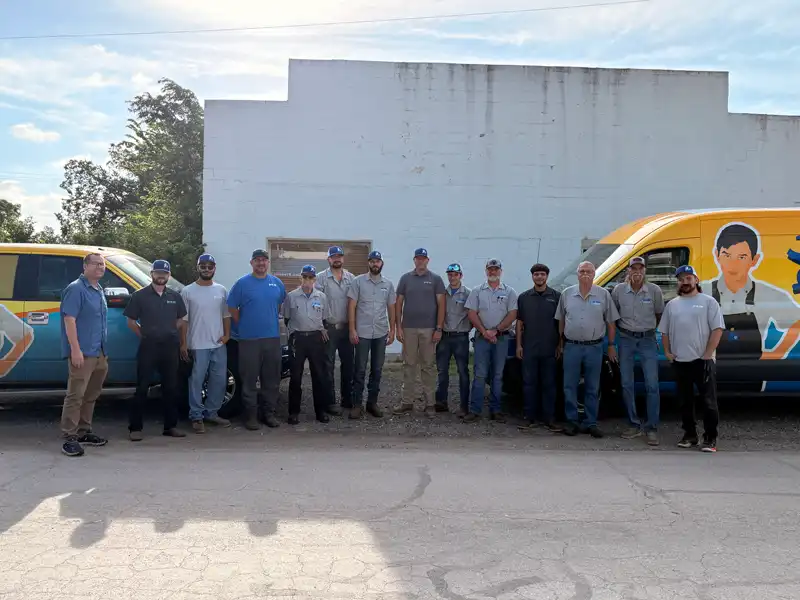
Hard water is a known issue throughout Wichita, and we have helped a lot of local homeowners solve it with a properly installed water softener. We bring the same honesty and care to water treatment that we bring to every other service we offer.
Here is what you can expect when you work with us: