


We're here when you need us most.
Skilled professionals you can trust.
No surprises. Just honest, fair pricing.
We stand behind our work every time.
Rose Hill occupies a particular kind of place in Butler County. It is small enough that people recognize their neighbors and pay attention to who is working on houses down the street, but close enough to the Wichita metro that residents have access to everything a larger city offers without giving up the rural character that drew them here in the first place. The housing stock reflects that positioning: a mix of older homes in the original town center, established ranch-style construction from the 1970s and 1980s, and a more recent wave of larger homes on generous lots that have come in as the community has grown in appeal among families looking for space and a slower pace.
On Time Plumbing, Heating, Cooling, and Electric serves Rose Hill homeowners with licensed electrical work done honestly and done right. We understand what this part of Butler County looks like on the ground, including the range of home ages, the property sizes that tend to come with living outside the denser metro, and the specific electrical challenges that surface in a community where newer custom builds sit alongside homes that have been through three or four owners over forty or fifty years.
Rose Hill’s location in the open Butler County landscape means weather arrives here without much to slow it down. The area sits in the path of storm systems that build across the central plains, and hail, rotating winds, and lightning are regular seasonal occurrences that Wichita’s denser urban fabric can sometimes absorb differently than a more open community like this one. That exposure matters when it comes to electrical service entrances, exterior components, and the kind of surge activity that follows significant storms.
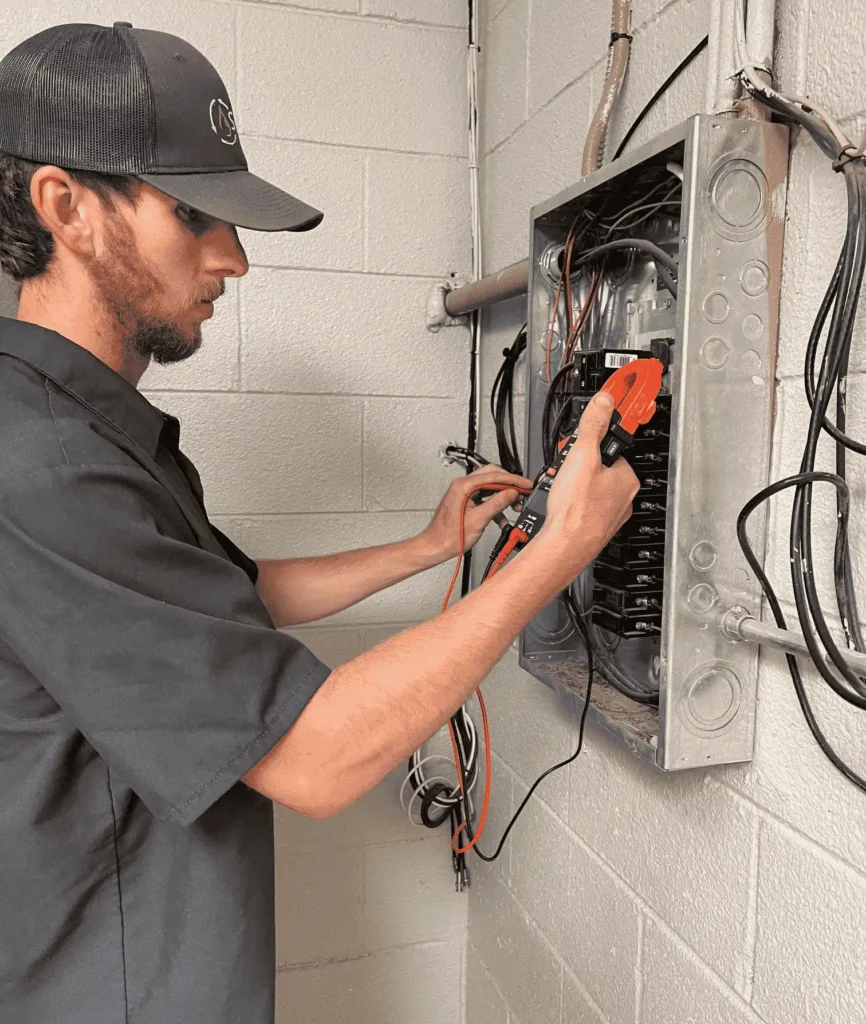
Rose Hill’s blend of property types means the electrical problems we diagnose here cover more ground than a typical suburban service area. In the original town-center homes, the issues look a lot like what we see in other communities with older housing stock: panels that were sized for a simpler era, wiring that has been through decades of thermal cycling and incremental modification, and outlets that predate modern grounding standards. These are addressable problems, but they require a careful read of what is actually in the home before any work begins.
The larger, newer homes on Rose Hill’s residential edges present a different set of considerations. Many were built as custom or semi-custom construction with higher-end finishes, dedicated home offices, and more square footage than a standard production build. The electrical systems in these homes are generally more capable, but they also serve households with higher total demand and often include features like whole-home audio, smart lighting systems, and large workshop or garage circuits that put sustained load on the infrastructure in ways that smaller homes do not.
Properties with acreage add another dimension. Outbuildings, detached garages, irrigation controls, and exterior lighting on large lots all require electrical infrastructure that extends well beyond the main house panel, and the condition of that extended infrastructure varies enormously depending on when it was installed and by whom. Buried feed lines, weatherproof junction boxes, and exterior disconnects that have been in place for twenty or thirty years deserve a look even when they appear to be functioning.
These are the electrical warning signs most relevant to Rose Hill homes:
Each of these has a traceable cause, and addressing it correctly means understanding the full context of the property rather than just the symptom that prompted the call.
The upgrade conversation in Rose Hill tends to start from one of two very different places. For homeowners in the older parts of town, it usually begins with a panel that has been stretched beyond what it was designed to support and a recognition that the home needs a stronger foundation before anything else can be added safely. For homeowners in the newer, larger properties, it often starts with a specific project, a workshop that needs more circuits, a generator hookup for storm season, an EV charger for the third bay of the garage, and expands once we take a look at what the panel actually has available to support it.
Both paths lead to similar conversations about capacity, safety, and the relationship between what a home currently has and what the household actually needs. A panel upgrade to 200-amp service is the foundational move for homes that are running low on capacity or that still have older equipment that does not support the protection features current code requires. For larger Rose Hill properties, we also handle subpanel installations in detached structures, which give outbuildings their own organized circuit capacity rather than pulling everything back through a long run to the main house panel.
Generator interlock installations are a specific upgrade that comes up with Rose Hill homeowners more than in some other parts of the metro. When the power goes out in a more rural-edge community, restoration can take longer than it does in a denser neighborhood, and a properly installed interlock kit allows a portable generator to safely power selected circuits in the home without the risk of backfeeding the utility line. It is a practical, code-compliant solution that does not require a full standby generator system to provide meaningful coverage during an outage.
All installation work is permitted through the appropriate local authorities when required, documented, and inspected before the job is considered complete.
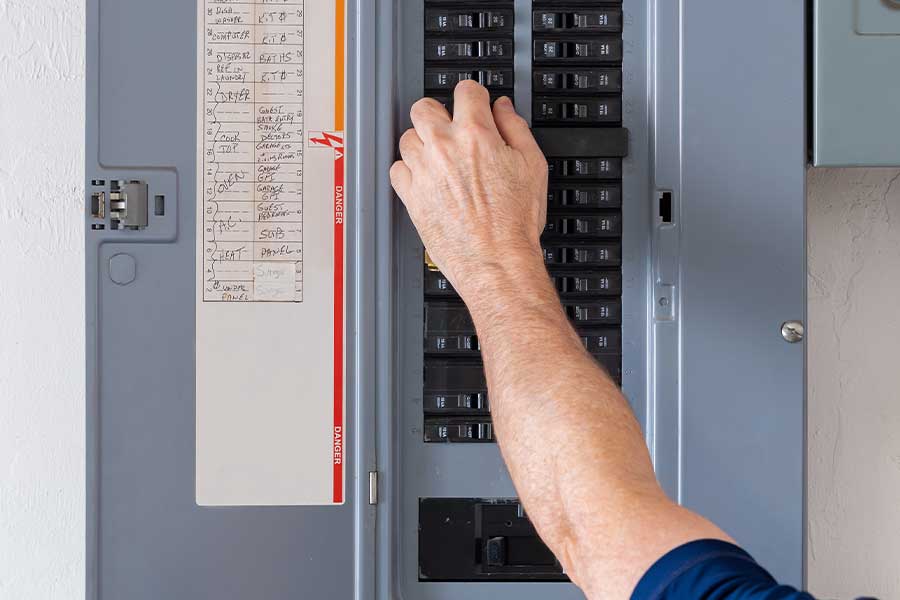
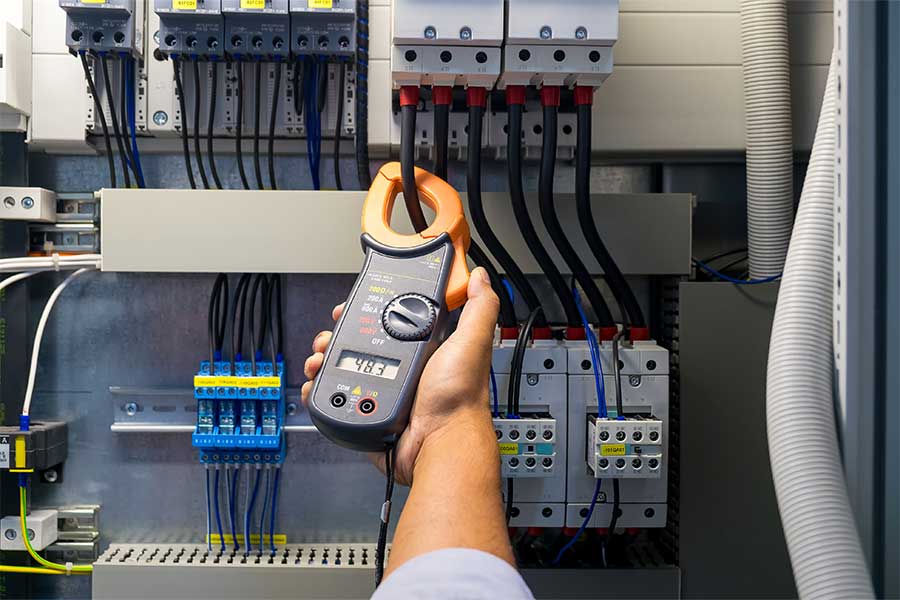
On Time provides Rose Hill homeowners with a comprehensive range of residential electrical services covering every type of property the community has to offer. Our licensed electricians handle the following:
If your Rose Hill property has a project or situation that is not on this list, give us a call. Properties out this way tend to have their own specific configurations, and we would rather talk through what you are dealing with than have you assume it falls outside what we do.
A homeowner named Deb called us after her detached workshop lost power following a strong storm that came through Butler County overnight. The house itself was fine, the breaker for the workshop circuit had not tripped, and she could not figure out why the building had gone dark. She had been using the shop regularly for a woodworking hobby and losing power to it mid-project had become a real frustration.
When our electrician arrived and traced the feed from the main panel out to the shop, he found the underground conduit run had a junction point near the foundation of the workshop where water had been getting in for what looked like a long time. The connection inside the junction box had corroded to the point where it was making intermittent contact under normal conditions and had finally given out entirely when the storm moved through. The conduit itself was a schedule 40 PVC run that had been installed without adequate depth at one point, leaving it vulnerable to ground movement and the freeze-thaw cycles that hit Butler County through the winter months.
The corroded junction was rebuilt with weatherproof components rated for direct burial, the shallow section of conduit was properly rerouted and buried at code depth, and the entire workshop circuit was tested before the job was closed out. While on the property, Deb asked about adding a generator interlock to the main panel so she would have backup power to the house during future outages. That was completed the same visit. She mentioned it was the first time anyone had actually looked at how the workshop was wired rather than just treating it as an extension of the house. For a property with a serious outbuilding, that distinction matters.
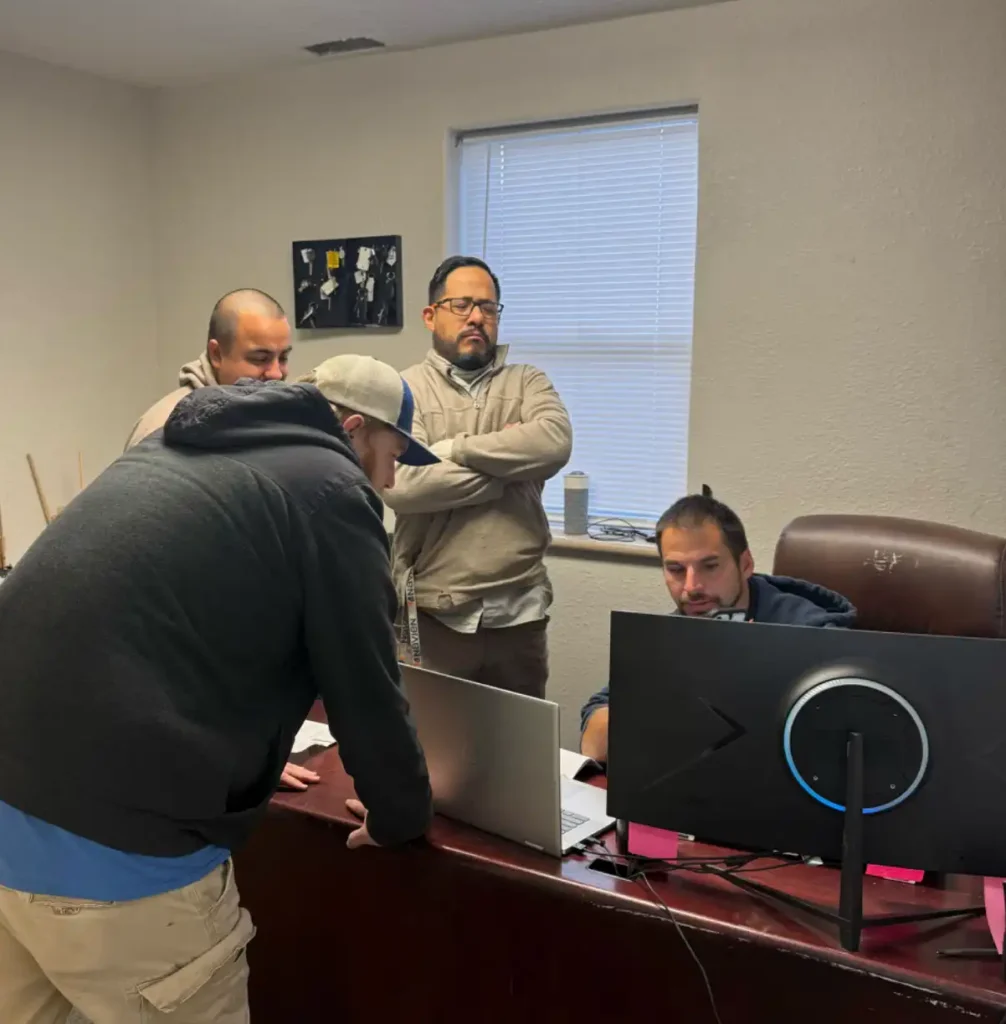
In a community like Rose Hill, the bar for earning someone’s trust is higher than it might be in a larger city where contractors come and go without much accountability. We have built our reputation across the Wichita metro by being the kind of company that shows up when it says it will, explains what it finds without spin, and does work that holds up. Here is what you get when you call On Time:
From the older homes near Rose Hill’s original streets to the larger custom properties on the city’s rural edges, we come prepared for the full range of what this community’s homes and properties present. That preparation shows up in how efficiently we work and how rarely we have to make a second trip.