


We're here when you need us most.
Skilled professionals you can trust.
No surprises. Just honest, fair pricing.
We stand behind our work every time.
Mulvane sits at the southern edge of the Wichita metro where Sedgwick and Sumner counties meet, and it carries that small-town character that draws people looking for a quieter place to put down roots. The summers here are every bit as demanding as anywhere else in south-central Kansas, though — and when your AC goes down, the distance from the city doesn’t make the heat inside your home any more bearable.
On Time Plumbing, Heating, Cooling, and Electric serves Mulvane homeowners with dependable AC repair, honest diagnostics, and upfront pricing. We show up when we say we will, tell you exactly what we found, and get your approval before any work begins. That’s the standard we hold ourselves to on every call, regardless of where it takes us.
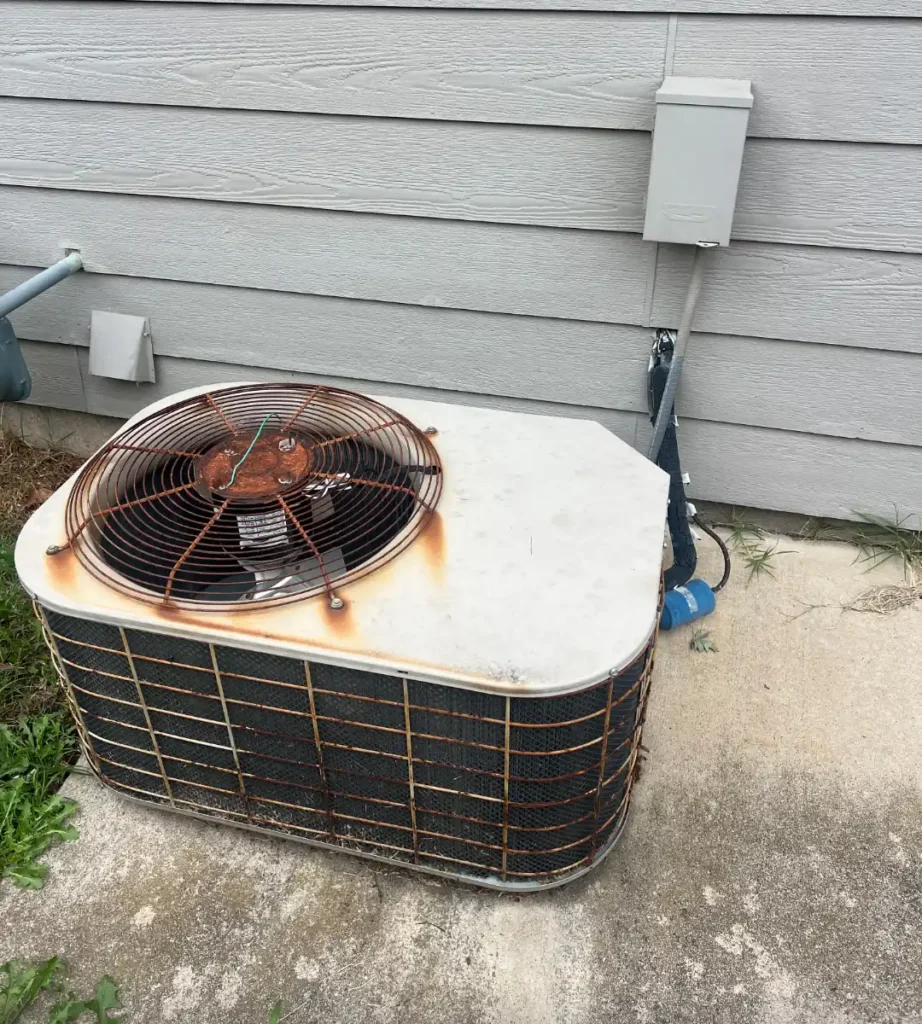
Getting an AC repair right the first time means understanding the full picture before touching any components. A system with two or three things working against it will come back with the same complaint if only one of them gets addressed. Our technicians are trained to look at the whole system, not just the most obvious symptom.
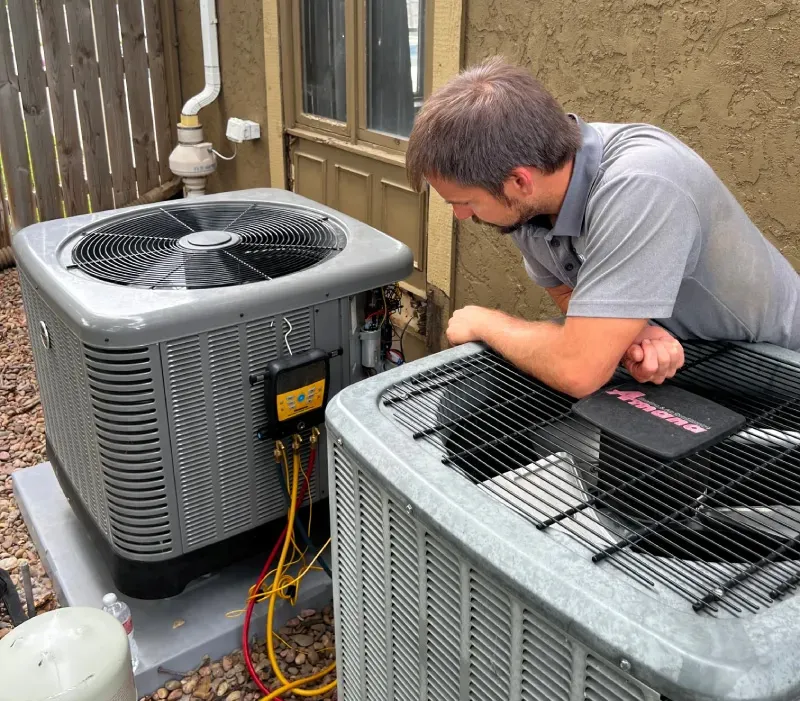
Every service call covers refrigerant charge testing and leak detection, capacitor and contactor evaluation, blower motor and fan performance, evaporator and condenser coil condition, condensate drain flow, and a complete review of thermostat calibration and electrical integrity. We repair central air systems, heat pumps in cooling mode, and ductless mini-split units. Once the diagnosis is confirmed, we walk you through what we found and give you a firm price before any repair work starts.
Mulvane’s summer heat leaves little room for a struggling system to stay ahead of the load. These are the warning signs worth acting on before a repair becomes an emergency:
Each of these signals that the system is already under strain. Addressing it now usually means a quicker fix and a lower cost than the same issue left to compound through another stretch of summer heat.

Mulvane occupies a stretch of gently rolling terrain along Cowskin Creek in the southern tier of the metro, and its position near the Sumner County line puts it in a transitional climate zone that doesn’t always behave the way homeowners expect. Moisture from the south — pulled up from Oklahoma and the Gulf — tends to arrive here first before moving north through the rest of the metro. On days when that gulf air pushes through, humidity levels in Mulvane can spike sharply and hold for extended periods, even when conditions feel relatively mild. That added moisture load forces AC systems to run longer to maintain comfortable indoor conditions, and systems that are already marginal on refrigerant or airflow hit their limits noticeably faster.
Mulvane also sits within the Ark City storm corridor, a stretch of south-central Kansas that sees some of the region’s most active severe weather between April and June. Repeated exposure to large hail events, high-wind gusts, and nearby lightning strikes accumulates damage to outdoor AC equipment over the years in ways that aren’t always visible. Bent condenser fins reduce heat transfer. Surge events weaken capacitors and control boards incrementally. A unit that looks fine from the outside may have years of storm-related wear built up internally. That combination of humidity loading from the south and storm exposure from passing systems makes Mulvane one of the tougher environments for residential AC equipment in the region.
We got a call from Patty last June, not long after a line of severe storms had pushed through the southern metro. Her home in a quiet neighborhood near downtown Mulvane had lost cooling the morning after the storms passed. The system appeared to be running — she could hear the outdoor unit — but there was almost no airflow coming from the registers inside.
When our technician arrived, the indoor blower motor had stopped running entirely. A voltage check confirmed the control board had taken a surge hit during the storm event, which had burned out the relay responsible for powering the blower. The outdoor unit was cycling normally because the compressor circuit was on a separate path, which is why the system sounded like it was running from outside while doing essentially nothing inside. We replaced the damaged relay, tested the full control board for any additional surge damage, and confirmed the blower was operating correctly before wrapping up. Patty mentioned she hadn’t realized a surge could cause that kind of targeted failure without tripping a breaker. We recommended a whole-home surge protector before the next storm season as a straightforward way to protect against a repeat.
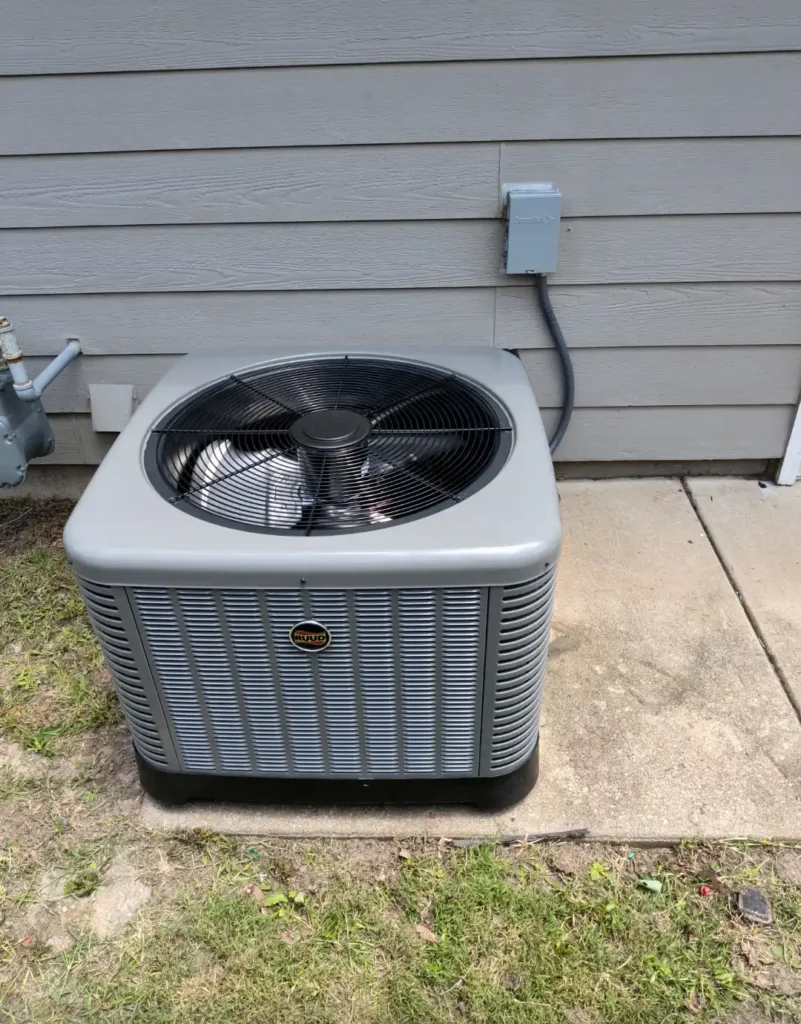

We make the drive to Mulvane because homeowners here deserve fast, honest service — not a days-long wait or a vague estimate over the phone. Here’s what you get when you call On Time: