


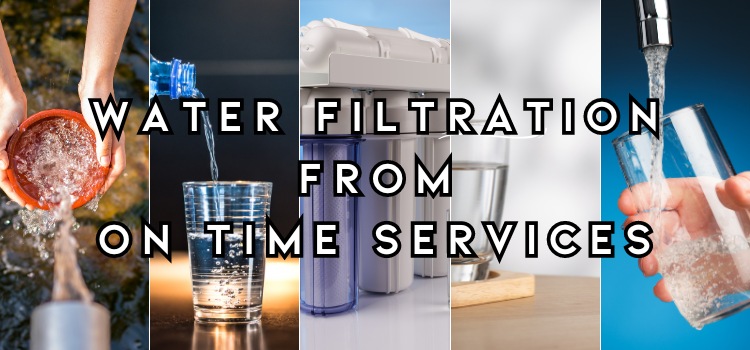
Concerned about what’s coming out of your tap? Water is a fundamental necessity of life, and ensuring its quality is paramount for the health and well-being of residents in Kansas and Oklahoma. With concerns about contaminants in municipal water supplies and the environmental impact of plastic bottled water, more people are turning to water filtration systems to ensure safe and clean drinking water. In this comprehensive guide, we will explore the benefits of water filtration for residents in Kansas and Oklahoma, backed by scientific research and expert insights.
Key Points
- Kansas and Oklahoma water systems can carry contaminants like arsenic, nitrates, and disinfection byproducts
- Water filtration systems remove a wide range of contaminants while improving taste and odor
- Filtration is often more cost-effective long-term than bottled water, and reduces plastic waste
- Different filter types (activated carbon, reverse osmosis, UV) target different contaminants
- Independent, peer-reviewed research supports the effectiveness of certified home filtration systems
Understanding Water Quality Issues in Kansas and Oklahoma
Kansas and Oklahoma face water quality challenges due to agricultural runoff, industrial pollution, and aging infrastructure. Contaminants such as pesticides, nitrates, lead, and bacteria can seep into groundwater and surface water sources, impacting the water supply.
According to the Environmental Working Group’s (EWG) Tap Water Database, testing across Kansas water systems has found contaminants including arsenic, nitrates, trihalomethanes, and haloacetic acids (both byproducts of water disinfection) at levels the organization considers a health concern, even when those levels fall within legal federal limits. Nitrates, which commonly seep into water systems from fertilizer runoff, are one of the most widespread contaminants found across Kansas water utilities. These contaminants have been linked to health risks including certain cancers and reproductive issues, prompting many residents to seek reliable water filtration solutions.
Benefits of Water Filtration Systems
Removal of Contaminants: High-quality water filtration systems can effectively remove a wide range of contaminants, including heavy metals, chemicals, and bacteria, providing peace of mind about the safety of drinking water.
Improved Taste and Odor: Filtration systems can enhance the taste and odor of water by removing chlorine, sediment, and other impurities, making tap water more palatable and encouraging hydration.
Cost-Effectiveness: Investing in a water filtration system can be more cost-effective in the long run than purchasing bottled water. With a filtration system, residents can enjoy clean water straight from the tap, reducing the need for single-use plastic bottles.
Environmental Sustainability: By reducing reliance on bottled water, water filtration systems contribute to environmental sustainability by minimizing plastic waste and carbon emissions associated with production and transportation.
Types of Water Filtration Systems
Activated Carbon Filters: These filters use activated carbon to adsorb impurities and improve taste and odor. They effectively remove chlorine, volatile organic compounds (VOCs), and some heavy metals.
Reverse Osmosis Systems: Reverse osmosis systems use a semipermeable membrane to remove contaminants, including bacteria, viruses, dissolved solids, and heavy metals. They provide comprehensive filtration but may require professional installation and maintenance.
UV Water Purifiers: UV purifiers use ultraviolet light to disinfect water by inactivating bacteria, viruses, and other pathogens. While they do not remove physical impurities, they effectively kill harmful microorganisms.
Do You Need Filtration, Softening, or Both?
It’s common for homeowners to assume hard water and contaminated water are the same problem, but they aren’t. Hard water, which is common throughout the Wichita area due to the mineral-rich Equus Beds aquifer, causes scale buildup, spotty dishes, and dry skin, and is addressed with a water softener. Filtration, on the other hand, targets contaminants like chlorine, sediment, lead, and bacteria that affect what you’re actually drinking and cooking with. Many homes benefit from both a softener for the whole house and a dedicated filtration system at the kitchen tap.
Scientific Evidence Supporting Water Filtration
Independent, peer-reviewed research backs up what filtration manufacturers claim. A 2020 study published in the journal Water found that under-sink activated carbon filters removed 98% of lead from private well water over an eight-month testing period, with treated water consistently falling below the EPA’s recommended lead threshold.
Similarly, research co-authored by scientists at the CDC’s National Center for Environmental Health evaluated arsenic treatment systems among private well households in Maine and New Jersey and found that proper treatment meaningfully reduced arsenic exposure. Findings like these are part of why certified filtration is increasingly recommended for homes with known water quality concerns, particularly those with older plumbing systems.
Get Your Water Tested Today
Ensuring access to clean and safe drinking water is essential for the health and well-being of residents in Kansas and Oklahoma. Water filtration systems effectively address water quality issues, providing numerous benefits, including removing contaminants, improved taste, and environmental sustainability. As a trusted HVAC, plumbing, and electrical service provider, On Time Plumbing, Heating, Cooling & Electric is committed to helping residents in Kansas and Oklahoma enjoy clean water with our professional water treatment solutions. Contact us today to schedule a water quality test and discover the benefits of water filtration for your home.
Frequently Asked Questions
How do I know if my home’s water needs filtration? If you notice unusual taste, odor, or discoloration in your tap water, or if your local water quality report shows contaminants above EWG’s recommended thresholds, filtration is worth considering. A water quality test is the most reliable way to know for sure.
Is bottled water safer than filtered tap water? Not necessarily. Bottled water isn’t guaranteed to be free of the same contaminants found in tap water, and it adds significant plastic waste. A properly certified home filtration system often provides comparable or better filtration at a lower long-term cost.
Do I need a whole-house filtration system or just one at the kitchen sink? It depends on your goals. A point-of-use filter at the kitchen tap addresses drinking and cooking water, while a whole-house system treats water at every fixture. Your specific water quality concerns and budget will determine which makes sense.
How often do water filters need to be replaced? This varies by filter type and household water usage, but most cartridge filters need replacement every 3 to 6 months to stay effective. Reverse osmosis membranes typically last longer between replacements.