


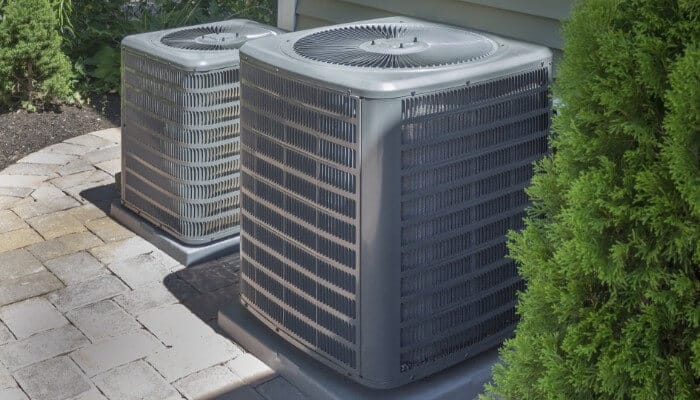
The best fuel source for heating depends on whether your home has natural gas service, how much you want to spend upfront, and what you are comfortable paying each month. In homes with a gas line, a natural gas furnace usually costs less to run than electric resistance heat, while a heat pump is the most efficient electric option.
Most people replace their heating system with one that uses the same fuel source as the old one, and that is a perfectly reasonable choice, since changing fuel sources adds cost. If you are planning a fully new heating system or think switching fuel types may be better for your home, it pays to understand the tradeoffs first. Below, we compare the most common options so you can make the most informed decision for your Wichita home.
Key Takeaways
- Natural gas furnaces heat quickly and usually cost less to operate than electric resistance furnaces.
- Electric furnaces usually cost less to install because they need no gas line or venting for combustion fumes.
- The Department of Energy reports heat pumps can cut heating electricity use by up to 75% compared with electric resistance heat.
- A dual fuel system pairs a heat pump with a gas furnace that takes over during colder temperatures.
- Switching fuel sources rarely pays off unless the current heating system already needs replacement.
What Are the Main Fuel Sources for Home Heating?
The two primary fuel sources for home heating are natural gas and electricity. Propane, heating oil, and wood are also used, but they are far less common in homes with access to utility gas lines.
Electricity can heat a home in two very different ways. Electric resistance heating, used in electric furnaces and baseboard heaters, turns electricity directly into heat. A heat pump moves heat from the outdoor air into your home instead of creating it, which takes much less electricity for the same amount of warmth.
This table compares the most common heating options side by side:
| Heating Option | Fuel Source | Upfront Cost | Operating Cost | Maintenance Needs |
| Gas furnace | Natural gas | Higher | Lower | Annual combustion safety check |
| Electric furnace | Electricity | Lower | Higher | Lower |
| Heat pump | Electricity | Moderate to higher | Lower than electric resistance | Annual service, heats and cools |
| Dual fuel system | Electricity and natural gas | Highest | Low in most weather | Two systems to maintain |
| Boiler | Natural gas or electricity | Higher | Varies by fuel | Annual service |
Natural Gas Heating Pros and Cons
Natural gas heating generally costs less to operate because natural gas is usually cheaper per unit of heat than electricity. Natural gas furnaces also deliver heat faster and produce warmer air at the vents, which many homeowners notice on the coldest mornings.
The tradeoffs come at installation and in upkeep. Natural gas appliances usually cost more upfront, since they require a gas line, combustion venting, and safety controls. Because a gas furnace burns a combustible fuel, it also needs diligent care to run safely. Scheduling annual furnace maintenance lets a technician inspect the burners, heat exchanger, and venting, and a working carbon monoxide alarm adds another layer of protection.
In Wichita, natural gas service is provided by Kansas Gas Service. Homes in rural parts of the surrounding area may not have a utility gas line, which is where propane or electric options come in.
Electric Heating Pros and Cons
Electric furnaces cost less upfront and are easier to install because they do not burn fuel or need venting for fumes. They also need less maintenance than gas furnaces, with fewer combustion-related parts to wear out, which often helps them last longer.
The main downside of electric resistance heat is the operating cost. Turning electricity directly into heat takes more energy than burning gas or moving heat with a heat pump, so monthly bills can run noticeably higher during long cold stretches. Electric furnaces also tend to deliver air at a lower temperature than gas furnaces, so rooms can take longer to warm up.
Some homeowners still prefer electric heat because it means paying only one utility bill instead of electric and gas. That simplicity is a fair reason to choose electric, as long as you go in expecting higher heating costs in winter.
Are Heat Pumps a Good Option for Wichita Winters?
Heat pumps are a strong option for many Wichita homes, especially when paired with backup heat for the coldest days. The Department of Energy reports that heat pumps can reduce electricity use for heating by up to 75% compared with electric resistance systems such as electric furnaces and baseboard heaters.
Heat pumps also provide air conditioning, so one system handles both seasons. Cold climate heat pumps are designed to perform in temperatures as low as 5°F, according to the Department of Energy, which covers most Wichita winter weather.
Wichita does see extreme cold. In January 2024, the National Weather Service reported that Wichita stayed at 10 degrees or colder from January 13 to 15, with wind chills in the minus 20 to minus 30 range. Based on what we see in Wichita homes, that kind of cold snap is why we usually recommend pairing a heat pump with backup heat rather than relying on a heat pump alone.
A dual fuel system solves this by pairing a heat pump with a gas furnace. The heat pump handles most of the heating in milder weather, and the furnace takes over during colder temperatures, giving you efficiency most of the year and strong heat when you need it most.
What About Boilers, Propane, and Wood Heat?
Boilers, propane, and wood are less common choices, but each fits certain homes. A boiler heats water instead of air and distributes warmth through radiators or in-floor tubing, which suits older homes built around hydronic heat. Gas and electric models are both available, and boiler installation follows the same fuel tradeoffs as furnaces.
Propane works much like natural gas and is often used in rural homes without a utility gas line, though it requires an on-site tank and fuel deliveries. Wood stoves and fireplaces can supplement a primary system, but they are rarely practical as the only heat source for a modern home.
Should You Switch Heating Fuel Sources?
If you already have one fuel source installed, switching usually is not worth it. Changing from electric to gas, or from gas to electric, can involve new gas lines, venting, electrical upgrades, or ductwork changes, so you may pay quite a bit for minimal gains.
Switching makes more sense in a few specific situations:
- Your current system has reached the end of its life and needs full replacement anyway.
- Your home has no gas service and you are paying high bills for electric resistance heat.
- You also need a new air conditioner, which makes a heat pump or dual fuel system more appealing.
- You are finishing a basement or adding a room that your current system cannot heat well.
How to Choose the Best Fuel Source for Heating a New System
Choosing the best fuel source for heating a new system comes down to weighing cost, comfort, and what your home can support. These factors matter most when comparing fuel sources for a new system:
- Gas availability: A home with an existing gas line can install a gas furnace far more easily than one without.
- Upfront budget: Electric furnaces usually cost the least to install, while dual fuel systems usually cost the most.
- Monthly operating cost: Gas furnaces and heat pumps usually cost less to run than electric resistance heat.
- Comfort preference: Gas furnaces deliver warmer air faster, while heat pumps provide steadier, gentler heat.
- Electrical capacity: Electric furnaces and heat pumps may require an electrical panel with enough capacity for the new load.
- Cooling needs: A heat pump replaces both your furnace and air conditioner, which can simplify a full system replacement.
If you are leaning toward gas, furnace installation in Wichita should start with a load calculation so the new system is sized correctly for your home rather than matched to the old unit by default.
Frequently Asked Questions About Heating Fuel Sources
Can I Convert My Home From Electric Heat to Natural Gas?
Yes, you can convert from electric heat to natural gas if gas service is available at your property. The conversion usually requires a gas line to the home, a new gas furnace, and proper venting. A technician can confirm whether your existing ductwork will work with the new system.
Do I Need Ductwork for a Heat Pump?
Not always. Ducted heat pumps use the same ductwork as a furnace, while ductless mini-split heat pumps deliver heat through wall-mounted indoor units. Ductless systems work well for additions, older homes without ducts, or rooms that never stay comfortable.
Does a Dual Fuel System Need Two Thermostats?
No, a dual fuel system typically runs on one compatible thermostat. The thermostat or system controls decide when to switch from the heat pump to the gas furnace based on outdoor temperature or comfort settings.
Will Switching to Electric Heat Require an Electrical Panel Upgrade?
It might, depending on your panel’s capacity and the size of the new equipment. Electric furnaces draw a significant amount of power, and older homes with smaller panels may need an upgrade. A licensed electrician can review your panel before you commit to an all-electric system.
Choosing the Right Heating Fuel for Your Wichita Home
The best fuel source for heating your home depends on gas access, upfront budget, and long-term operating cost, and for most homes the simplest choice is to stay with the fuel you already have. On Time Plumbing, Heating, Cooling & Electric has helped Wichita-area homeowners since 2004 compare gas furnaces, electric furnaces, heat pumps, and dual fuel systems, with upfront pricing and a 100% Satisfaction Guarantee. If you are weighing your options, schedule a heating system consultation and our team will help you find the right fit.